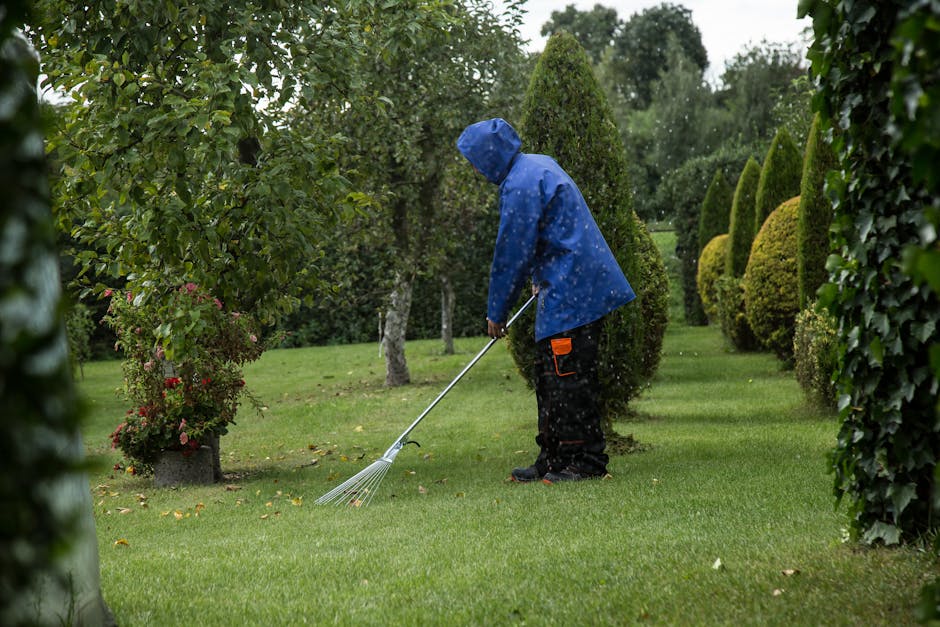
Real cost guide for garden clearance services Park Royal
If you are trying to work out the real cost guide for garden clearance services Park Royal, you are probably past the "just tidy the garden" stage and into the "how much is this actually going to cost me?" stage. Fair enough. A neglected garden can be overwhelming, especially when it has grown past the point of a quick Saturday afternoon clear-up. Old branches, damp bags of waste, tangled brambles, broken pots, and that one corner you've been avoiding for months... it adds up fast.
This guide breaks down what usually affects the price, how clearance jobs are priced in practice, what to ask before you book, and where people often spend more than they need to. It is written for Park Royal homeowners, landlords, tenants, property managers, and anyone who needs a proper reset rather than a superficial tidy.
You will also find a practical checklist, a comparison table, and a few real-world pointers that make the decision easier. Because let's face it: nobody wants a surprise invoice after the crew has already loaded the van.
- Why garden clearance pricing matters
- How garden clearance services are priced
- Key benefits and practical advantages
- Who this is for and when it makes sense
- Step-by-step guidance
- Expert tips for better results
- Common mistakes to avoid
- Tools, resources and recommendations
- Law, compliance, standards, or best practice
- Options, methods, or comparison table
- Case study or real-world example
- Practical checklist
- Conclusion
- Frequently asked questions
Why Real cost guide for garden clearance services Park Royal Matters
Garden clearance is one of those jobs where the visible mess is only part of the story. The real cost depends on how much material has to be cut, carried, loaded, sorted, and disposed of properly. That is why a simple "garden clearance cost" search often leads to vague answers. In Park Royal, where property layouts vary quite a bit, access can matter as much as the amount of waste itself.
A small garden with light pruning might be fairly straightforward. A larger overgrown plot with green waste, soil, timber offcuts, broken fence panels, and heavy debris is another matter entirely. The price changes because the labour, vehicle space, disposal fees, and time all change. Not glamorous, but very real.
Understanding costs helps you avoid two common problems. First, you don't overpay for a job that should be simple. Second, you don't underbudget for a clearance that turns out to be bigger than expected. That second one catches people out more often than you'd think, especially after a winter of growth or a property vacancy. If you are already weighing up broader upkeep, it can also make sense to look at garden maintenance alongside one-off clearance so the space stays manageable afterwards.
How Real cost guide for garden clearance services Park Royal Works
Most professional garden clearance quotes are built from a few core ingredients: labour, waste volume, waste type, access, and disposal. Some firms will price by the hour, some by load size, and some by a fixed quote after seeing photos or visiting in person. There is no magic formula, though there is a fairly sensible pattern.
Here is the simple version:
- Labour time: How long it takes to cut back, gather, lift, and load the material.
- Waste volume: How much van space the waste will take up.
- Waste type: Green waste is usually easier to process than mixed rubbish, heavy spoil, or bulky timber.
- Access: Narrow side passages, shared entrances, basement gardens, or rear-only access can increase time.
- Extra tasks: Breaking down items, bagging waste, or moving materials across distance all add labour.
In real terms, a tidy pile of hedge cuttings and leaves is very different from clearing a garden that also includes old sleepers, a rotten shed panel, and a neglected patch full of nettles. Same garden? Maybe. Same cost? Not at all.
Many jobs are also influenced by whether the team is doing clearance only or a fuller service. For example, if the site needs trimming, mowing, or follow-up work after the waste is removed, the scope may move towards broader gardening services rather than a single clearance visit.
Key Benefits and Practical Advantages
The biggest benefit of proper garden clearance is obvious: you get your space back. But the practical advantages go beyond appearances. A cluttered or overgrown garden can hide trip hazards, attract pests, make maintenance harder, and turn future work into a bigger job than it needs to be. The sooner it is cleared, the less you usually spend later.
Some of the most useful benefits include:
- Cleaner, safer outdoor space: Loose branches, hidden debris, and unstable piles are dealt with properly.
- Better access for other work: If you plan to install fencing, repair decking, or refresh planting, clearance comes first. It is hard to do anything sensible when the ground is buried under mess.
- More accurate upkeep planning: Once the site is cleared, you can see what really needs attention.
- Less stress: A garden that feels impossible can become manageable again in one visit.
- Proper disposal: Waste is handled in a way that reduces the chance of fly-tipping or accidental non-compliance.
There is also a financial angle. A badly overgrown garden can make future maintenance more expensive because every visit starts from scratch. A clear space is easier to quote, easier to maintain, and easier to keep under control. That is the bit people often miss.
Who This Is For and When It Makes Sense
Garden clearance is not just for dramatic "jungle garden" situations, though those certainly exist. It makes sense for lots of everyday scenarios in Park Royal.
- Homeowners: If you have let pruning, hedge growth, or leaf build-up slide for a season or two.
- Landlords: If a tenant has moved out and the garden needs a reset before reletting.
- Estate or property managers: If a site has been unused or poorly maintained.
- Older residents: If lifting, clearing, and bagging waste is no longer practical or safe.
- Busy families: If the garden has become the "we'll deal with it later" zone. We all know that zone.
- Pre-project clients: If you need the space ready for landscaping, turfing, or structural work.
It is also worth considering clearance if you have hard surfaces that need attention. For example, a garden can look far worse when patio edges are buried under weeds and moss. In that case, combining clearance with patio cleaning may be more efficient than splitting the work into separate visits.
Truth be told, if you can no longer see what is actually in the garden, the time for a clearance estimate has probably arrived.
Step-by-Step Guidance
If you want a realistic price and a smooth job, the process should be fairly simple. The more clearly you define the work, the less likely you are to be surprised later.
- Walk the garden and identify the problem areas. Make note of overgrowth, bags of waste, fallen branches, broken items, and anything heavy or awkward.
- Separate clearance from ongoing maintenance. Ask yourself whether this is a one-off reset or the start of regular upkeep.
- Take clear photos from multiple angles. Wide shots help with scale. Close-ups help with the type of waste. A few decent photos save a lot of back-and-forth.
- Check access points. Side gates, rear access, shared paths, stairs, and parking distance can all affect labour time.
- Request a written estimate. A proper quote should state what is included, what is excluded, and how waste is being handled.
- Confirm disposal arrangements. Waste should be removed responsibly, and not just "taken away somehow."
- Prepare the area if needed. Move valuables, tell neighbours if access is shared, and make sure pets are kept safe.
- Inspect the finish. Check that the agreed areas have been cleared and that any borderline items were handled as expected.
A useful rule of thumb: if the task sounds like it could turn into a half-day of dragging, bagging, and lifting, get a proper assessment rather than guessing. That small extra step can save money. And stress, which matters too.
Expert Tips for Better Results
The best clearance jobs are usually the ones with clear scope and tidy communication. Simple as that. Here are a few practical tips that make a real difference.
- Describe the waste honestly. If there is mixed rubbish, soil, heavy timber, or awkward items, say so early. Hidden waste is where estimates go sideways.
- Ask whether labour includes loading and sweeping up. Some quotes cover only the removal, while others include a more complete tidy.
- Use photos with reference points. A wheelie bin, fence panel, or step can help show scale.
- Separate one-off clearance from future care. If hedges are likely to grow back fast, ask about a follow-up trim plan or hedge trimming.
- Think about the next job before the first job is done. If clearance reveals worn turf, uneven borders, or old structures, you may want to plan follow-on work in one go.
One small but important detail: ask whether the team can handle any bulky garden structures if they appear during clearance. A rotten trellis or a tired old fence section can turn up out of nowhere, usually when you least want another decision. If that is likely, it may be worth reviewing fencing options at the same time.
And yes, a quick bit of prep before the team arrives can help. Move garden furniture, unlock gates, and clear a path if you can. Saves everyone a bit of faff.
Common Mistakes to Avoid
Most avoidable cost problems come from the same few mistakes. The good news is they are easy to sidestep once you know what to look for.
- Getting a quote from one blurry photo. If the job is complex, that is usually too little information.
- Assuming all waste is treated the same. Green waste, mixed waste, timber, soil, and hazardous items can follow different handling rules and costs.
- Ignoring access issues. A garden that looks small on a plan can still be a pain to clear if the access is awkward.
- Forgetting the "after" picture. If the garden will need mowing, cutting back, or design work afterwards, factor that in from the start.
- Chasing the lowest price without checking what is included. Cheap quotes can end up expensive if extras are added later.
Another common slip is comparing a clearance-only quote with a quote that includes cleanup, loading, disposal, and labour. They may not be the same thing at all, even if the headline number looks similar. That one catches people out, every time.
Tools, Resources and Recommendations
You do not need a van full of kit to understand garden clearance pricing, but a few practical tools help.
- Phone camera: Take broad shots and close-ups before you do anything.
- Tape measure: Useful for access widths, pile sizes, and awkward corners.
- Notebook or phone notes: List what needs removing and what should stay.
- Garden bags or stacks of boxes: Helpful for separating small waste from larger branches.
- A simple job list: "Clear back hedge, remove branch pile, tidy rear beds, remove broken pots." Clarity helps.
If you are planning a broader refresh, it may help to think in stages. First clearance. Then mowing, pruning, and structural work if needed. For lawns that are also untidy or long, lawn mowing may be part of the same visit, or a separate one depending on the state of the grass. If the garden has become difficult to keep under control generally, a plan that combines clearance with garden maintenance is often the calmer, cheaper route over time.
For property owners who want to understand wider service standards, it is also sensible to review a company's own pages on pricing and quotes, insurance and safety, and recycling and sustainability. Those pages can help you judge whether the service feels transparent and properly run.
Law, Compliance, Standards, or Best Practice
Garden clearance is not just about tidying up. Waste still needs to be handled properly, and any reputable service should work with sensible UK waste-handling practice. You do not need to become an expert in regulations, but you should know the basics.
In plain English, that means:
- Waste should be removed responsibly. Dumping it somewhere unsuitable is not a shortcut, it is a problem.
- Different waste types may need different handling. Green waste, soil, treated timber, and mixed rubbish are not all the same.
- Safe working matters. Heavy lifting, sharp tools, and slippery ground are part of the job.
- Insurance is worth asking about. If a company is working near your home, fence, paving, or planting beds, you want to know they take care.
Best practice also means being realistic about what is included in a clearance visit. If a contractor says they will remove waste, ask whether bagging, cutting down larger material, sweeping the area, and loading are included. If not, the price can change once the work starts.
And if the garden contains anything that looks unusual, sharp, chemically treated, or potentially hazardous, pause and ask before touching it. That is not paranoia; it is common sense.
Options, Methods, or Comparison Table
Not every garden clearance needs the same approach. Here is a simple comparison to help you decide what kind of service fits the job.
| Approach | Best for | Typical strengths | Possible drawbacks |
|---|---|---|---|
| Light tidy clearance | Leaves, small branches, light overgrowth | Quick, usually lower cost, good for seasonal reset | May not suit heavily neglected gardens |
| Full garden clearance | Overgrown borders, mixed green waste, bulky debris | More thorough, better for neglected spaces | Higher labour and disposal cost |
| Clearance plus maintenance | Gardens that need both a reset and ongoing care | More manageable long term, less backsliding | Costs more upfront than a one-off clear |
| Clearance plus landscaping prep | Spaces being redesigned or rebuilt | Creates a clean starting point for new works | Only sensible if the next stage is already planned |
If the garden is being cleared to make way for a bigger transformation, you may want to think ahead to landscaping or even landscape gardening. In a lot of cases, clearing once and planning twice is cheaper than rushing into separate jobs with no clear sequence.
Case Study or Real-World Example
Here is a realistic example from the kind of work people often request in Park Royal.
A small rear garden had been left untouched for several months after a tenant move-out. The space included bramble growth around the fence line, a heap of hedge trimmings, a few broken planters, and a patio edge covered in weeds and damp leaf build-up. Nothing dramatic on its own, but altogether it looked and felt like a job nobody wanted to start.
The quote depended on three things: access through a narrow side passage, the amount of bagged green waste, and the need to clear both soft growth and a few heavier items. The job itself was not just a "remove a pile" task; it involved cutting back, collecting, loading, and a final sweep of the hard surfaces. That is where clear pricing matters.
Once the garden was cleared, the owner could see the actual state of the space. The patio needed more attention than expected, the lawn had patchy areas, and one fence section was beginning to lean. If the job had started with guesswork, the end cost would have been harder to control. By clearing first, then deciding on next steps, the owner avoided the classic "we'll deal with that later" spiral.
A simple takeaway from that example: a proper clearance quote is not just about waste. It is about revealing what the garden really needs next.
Practical Checklist
Use this checklist before you request garden clearance pricing. It keeps the conversation tighter and the quote more reliable.
- List the areas that need clearing.
- Take at least three clear photos from different angles.
- Note any heavy, awkward, or mixed waste.
- Check gate widths, side access, and parking distance.
- Decide whether you want clearance only or clearance plus extra work.
- Ask what the quote includes: labour, loading, disposal, sweeping, bagging.
- Confirm how waste will be removed and handled.
- Ask about insurance and safety procedures if you are unsure.
- Remove personal items and breakables from the work area.
- Plan the next step after clearance so the garden does not slide back into chaos.
If you are also dealing with overgrown shrubs or dense hedging, it can be helpful to bundle the job with gardening services or a specific pruning visit. Sometimes a little sequencing saves a lot of backtracking.
Get a free quote today and see how much you can save.
Conclusion
The real cost guide for garden clearance services Park Royal comes down to a simple idea: the price should reflect the actual work, not just the size of the garden on paper. Labour, access, waste type, and disposal all matter. Once you understand that, pricing becomes much easier to judge.
The smartest approach is usually to define the scope clearly, share honest photos, and ask exactly what is included. That gives you a quote you can compare properly, rather than a number that looks good until the extras arrive. A good clearance job is neat, safe, and straightforward. No drama. No mystery. Just a garden you can use again.
If your outdoor space has reached the "it's about time" stage, that is not a failure. It is just where many gardens end up. The good news? It is very fixable.
Frequently Asked Questions
How much does garden clearance usually cost in Park Royal?
The cost varies based on the amount of waste, access, labour time, and whether the material is light green waste or mixed heavy debris. A straightforward clear-up is usually cheaper than a full overgrown clearance.
What affects the price of garden clearance the most?
Waste volume and access tend to have the biggest impact. A garden that is easy to reach but full of bulky or heavy waste can cost more than a smaller space with light cuttings. It is never just about the square footage.
Is it cheaper to book garden clearance with other services?
Sometimes, yes. If the space also needs mowing, trimming, or broader upkeep, combining jobs can be more efficient than splitting them up. For ongoing care, it may be worth looking at garden maintenance as part of the plan.
Do I need to sort the waste before the team arrives?
Not usually, but it helps to identify what is staying and what is going. If you can separate obvious rubbish from green waste, the quote may be more accurate. The clearer the brief, the smoother the job.
Can garden clearance include hedge cutting and mowing?
Yes, it can, depending on the service scope. Many clients add hedge work or grass cutting to a clearance visit. If hedges are a major issue, hedge trimming may be a better fit than leaving it until later.
How can I tell if a quote is fair?
Check whether it clearly states labour, removal, disposal, and any extras. A fair quote should make sense for the size of the job and the access involved. If two quotes are very different, compare what is included rather than just the headline price.
What if my garden has a lot of hidden rubbish?
Tell the contractor as much as you can before the job starts. Hidden rubbish can change the price because it may involve extra lifting, bagging, or disposal. Surprises are rarely cheap, and that is true in most trades, really.
Do I need to be home during the clearance?
Not always, but it is often helpful for the initial walkthrough and final check. If access is straightforward and instructions are clear, some jobs can be done with minimal involvement. Still, being available can prevent misunderstandings.
Should I ask about insurance and safety?
Yes. It is sensible to ask any contractor how they handle safety and whether they are insured for the work being carried out. You can also review pages such as insurance and safety and health and safety policy if you want to understand the company's approach.
What happens to the garden waste after clearance?
Responsible services will remove it and dispose of it through proper waste-handling routes. If sustainability matters to you, it is worth checking the company's approach to recycling and sustainability before booking.
When is the best time to book garden clearance?
There is no perfect month for everyone, but booking before the garden becomes severely overgrown usually keeps costs and effort lower. Spring and early autumn are common times to get ahead of growth, though wet weather can change the feel of the job quite a bit.
Can garden clearance help before landscaping work?
Absolutely. Clearance is often the first step before redesign, turfing, border work, or structural changes. If you are planning a bigger refresh, it makes sense to clear the area first and then consider landscaping or landscape gardening next.